

Hey there! As a cutting machine supplier, I know how crucial it is to pick the right cutting machine for your business. There are so many options out there, and it can be a real headache to figure out which one suits you best. But don't worry, I'm here to guide you through the process.
Understanding Your Needs
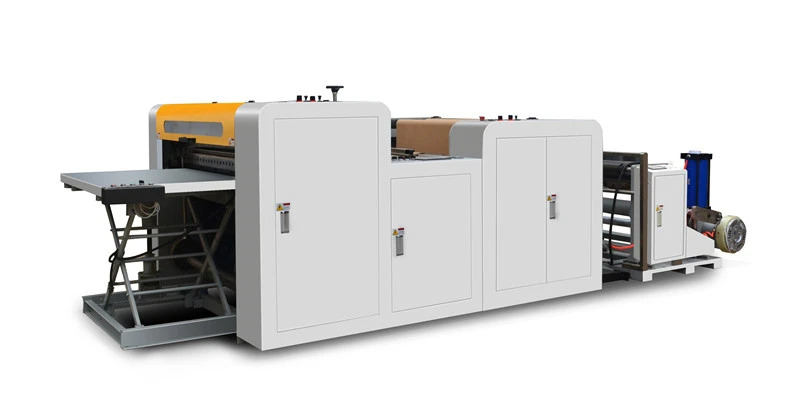
First things first, you've got to understand what your business needs from a cutting machine. Are you in the paper industry? Maybe you need to cut rolls of paper into sheets or specific sizes. In that case, a Paper Roll Sheeter Machine could be a great option. These machines are designed to handle large rolls of paper and cut them into precise sheets efficiently.
If you're dealing with smaller paper cutting tasks, like cutting individual sheets or stacks of paper, a Paper Cutter Machine might be more your style. They're often used in offices, print shops, and small businesses for tasks like trimming brochures, flyers, or documents.
On the other hand, if you're working with materials like fabric, vinyl, or other flexible rolls, a Roll Cutting Machine is the way to go. These machines can cut through various roll materials with precision, making them ideal for industries such as textiles, signage, and packaging.
Consider the Material
The type of material you'll be cutting is a major factor in choosing the right cutting machine. Different machines are designed to handle different materials. For example, paper cutting machines are optimized for paper, which is relatively soft and easy to cut. They usually have sharp blades that can make clean cuts without tearing the paper.
If you're cutting thicker or tougher materials like leather, rubber, or plastic, you'll need a machine with more power and a stronger cutting mechanism. Some cutting machines come with adjustable blades or different cutting heads to accommodate various materials. Make sure to check the machine's specifications to ensure it can handle the materials you'll be working with.
Production Volume
Your production volume is another important consideration. If you have a high-volume production line, you'll need a cutting machine that can keep up with the demand. Look for machines with high cutting speeds and automated features. For instance, some roll cutting machines can cut multiple layers of material at once, which significantly increases productivity.
On the other hand, if you have a low-volume business or only need to cut occasionally, you might not need a high-end, expensive machine. A basic, manual cutting machine could be sufficient for your needs. It'll save you money and still get the job done.
Precision and Accuracy
The level of precision and accuracy you require depends on your business. If you're in an industry where even a small error in cutting can lead to significant losses, such as the electronics or aerospace industries, you'll need a cutting machine with high precision.
Some cutting machines use advanced technologies like laser cutting or computer numerical control (CNC) to achieve extremely accurate cuts. These machines can follow complex patterns and cut with micron-level precision. However, they tend to be more expensive.
If your business doesn't require such high precision, a standard mechanical cutting machine might be enough. Just make sure to check the machine's cutting tolerance and accuracy specifications before making a purchase.
Budget
Of course, your budget plays a big role in choosing a cutting machine. Cutting machines can range from a few hundred dollars for basic manual models to tens of thousands of dollars for high-end, industrial-grade machines.
It's important to balance your budget with your business needs. Don't overspend on a machine that has features you don't need, but also don't compromise on quality and functionality to save a few bucks. Look for machines that offer the best value for your money. You can also consider buying used machines if you're on a tight budget, but make sure to thoroughly inspect them before purchasing.
Ease of Use and Maintenance
A cutting machine that's easy to use and maintain can save you a lot of time and hassle. Look for machines with user-friendly interfaces and clear operating instructions. Some machines come with touchscreen controls or software that makes it easy to set up cutting parameters and operate the machine.
Maintenance is also an important factor. Machines that require frequent and complex maintenance can disrupt your production and increase your costs. Choose machines that are easy to clean, lubricate, and replace parts. Some manufacturers offer maintenance packages or on-site support, which can be very helpful.

Safety Features
Safety should always be a top priority when choosing a cutting machine. Look for machines with safety features such as blade guards, emergency stop buttons, and safety sensors. These features can prevent accidents and protect your employees.
Some machines also have built-in safety mechanisms that automatically stop the machine if there's a problem or if an operator's hand gets too close to the blade. Make sure to train your employees on how to use the machine safely and follow all safety guidelines.
After-Sales Support
Good after-sales support is essential when buying a cutting machine. You want to make sure that you can get help if you have any problems with the machine. Look for suppliers who offer technical support, spare parts availability, and warranty services.
A reliable supplier will also be able to provide training and assistance in setting up and operating the machine. They can help you troubleshoot any issues that may arise and ensure that your machine is running smoothly.
Conclusion
Choosing the right cutting machine for your business is a big decision. It requires careful consideration of your business needs, the type of material you'll be cutting, production volume, precision requirements, budget, ease of use, safety features, and after-sales support.
I hope this guide has been helpful in giving you a better understanding of what to look for when choosing a cutting machine. If you have any questions or need more information, feel free to reach out to me. I'm always happy to help you find the perfect cutting machine for your business. Let's start a conversation and see how we can work together to meet your cutting needs!
References
- General knowledge and experience in the cutting machine industry.


