

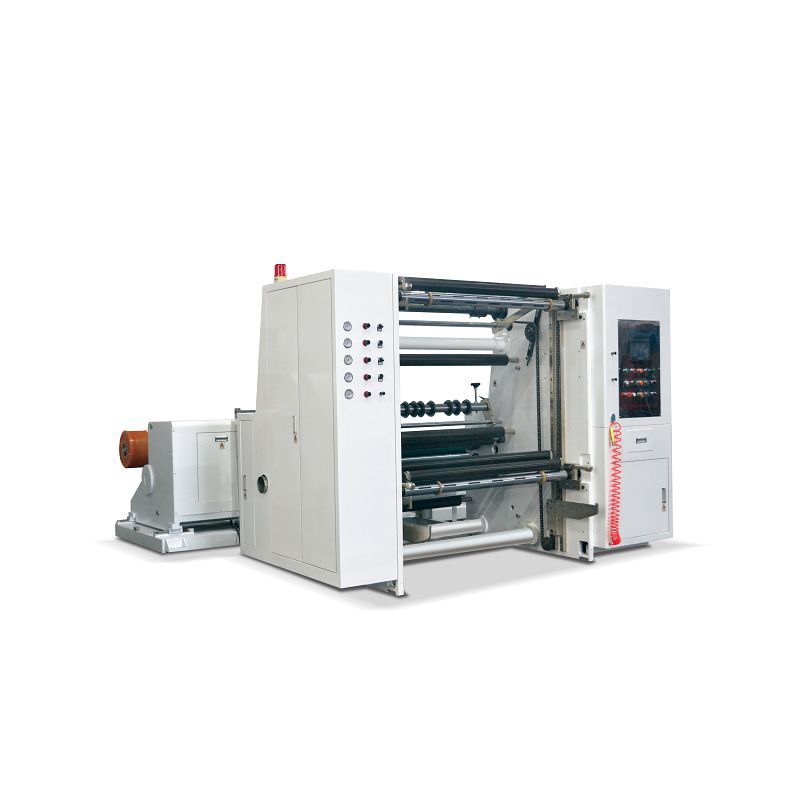
A Roll Slitter Rewinder is a crucial piece of equipment in various industries, especially those dealing with paper, film, and other roll materials. Over time, the dust collection system of this machine can accumulate a significant amount of debris, which can affect its performance and longevity. As a supplier of Roll Slitter Rewinders, I understand the importance of maintaining the dust collection system. In this blog, I will share some effective ways to clean the dust collection system of a Roll Slitter Rewinder.
Understanding the Dust Collection System
Before we start the cleaning process, it's essential to understand how the dust collection system of a Roll Slitter Rewinder works. The dust collection system is designed to capture and remove the dust and debris generated during the slitting and rewinding process. It typically consists of a dust collector, ductwork, and a suction mechanism. The dust collector is the heart of the system, where the dust is collected and stored. The ductwork connects the dust collector to the slitting and rewinding area, allowing the dust to be transported to the collector. The suction mechanism creates the necessary airflow to draw the dust into the system.

Pre - cleaning Preparations
- Safety First: Always ensure that the Roll Slitter Rewinder is turned off and unplugged before starting the cleaning process. Wear appropriate personal protective equipment (PPE), such as gloves and a dust mask, to protect yourself from the dust and debris.
- Gather Tools: You will need a variety of tools for the cleaning process, including a vacuum cleaner, compressed air gun, brushes, and cleaning solutions. Make sure these tools are in good working condition.
- Inspect the System: Before cleaning, visually inspect the dust collection system for any signs of damage or wear. Check the ductwork for leaks, the dust collector for clogging, and the suction mechanism for proper operation.
Cleaning the Dust Collector
- Empty the Dust Bin: Most dust collectors have a dust bin or hopper where the collected dust is stored. Start by emptying this bin. Make sure to do it in a well - ventilated area to avoid inhaling the dust.
- Clean the Filter: The filter in the dust collector is responsible for trapping the dust. Over time, it can become clogged, reducing the efficiency of the system. Remove the filter and gently tap it to remove the loose dust. You can also use a compressed air gun to blow the dust out of the filter. If the filter is severely clogged, it may need to be replaced.
- Wash the Filter (if applicable): Some filters can be washed with water and a mild detergent. Follow the manufacturer's instructions for washing the filter. After washing, allow the filter to dry completely before reinstalling it.
Cleaning the Ductwork
- Inspect for Blockages: Use a flashlight to inspect the ductwork for any blockages. Look for debris, dust, or other objects that may be obstructing the airflow.
- Vacuum the Ducts: Use a vacuum cleaner with a long hose attachment to vacuum the inside of the ductwork. Start from the end closest to the dust collector and work your way towards the slitting and rewinding area. Make sure to reach all the corners and bends of the ducts.
- Use Compressed Air: If there are stubborn blockages in the ductwork, you can use a compressed air gun to blow them out. Insert the nozzle of the compressed air gun into the duct and blow air in short bursts.
Cleaning the Suction Mechanism
- Inspect the Fan: The fan is the key component of the suction mechanism. Check the fan blades for any dirt or debris. Use a brush to gently clean the fan blades.
- Lubricate the Motor (if necessary): If the suction mechanism has a motor, check the lubrication. Follow the manufacturer's instructions for lubricating the motor to ensure smooth operation.
- Test the Suction: After cleaning the suction mechanism, turn on the Roll Slitter Rewinder (while still in a safe state for testing) and check the suction power. If the suction is weak, there may still be a problem that needs further investigation.
Cleaning the Exterior
- Wipe Down the Surfaces: Use a damp cloth and a mild cleaning solution to wipe down the exterior of the dust collection system. This will remove any dust or dirt that has accumulated on the surfaces.
- Clean the Controls: The controls of the dust collection system, such as switches and buttons, can also get dirty. Use a soft brush and a cleaning solution to clean these controls carefully.
Post - cleaning Checks
- Reassemble the System: Once all the components are clean, reassemble the dust collection system. Make sure all the parts are properly installed and tightened.
- Test the System: Turn on the Roll Slitter Rewinder and let the dust collection system run for a few minutes. Check for any abnormal noises, vibrations, or leaks. Monitor the suction power to ensure that the system is working efficiently.
Maintenance Tips for Long - term Performance
- Regular Cleaning Schedule: Establish a regular cleaning schedule for the dust collection system. Depending on the usage of the Roll Slitter Rewinder, it may be necessary to clean the system weekly, monthly, or quarterly.
- Replace Filters Regularly: Filters have a limited lifespan. Replace them according to the manufacturer's recommendations to maintain the efficiency of the dust collection system.
- Inspect the System Regularly: Conduct regular inspections of the dust collection system to detect any potential problems early. This can help prevent costly repairs and downtime.
Conclusion
Cleaning the dust collection system of a Roll Slitter Rewinder is an essential maintenance task that can improve the performance and longevity of the machine. By following the steps outlined in this blog, you can ensure that your dust collection system is clean and functioning properly.
If you are in the market for a high - quality Roll Slitter Rewinder, or if you have any questions about the maintenance of your existing machine, we are here to help. We offer a wide range of Automatic Slitting Machine, Paper Slitting and Rewinding Machine, and Adhesive Paper Slitting Machine. Contact us today to discuss your requirements and start a procurement negotiation.
References
- Manufacturer's manuals for Roll Slitter Rewinders
- Industry best practices for dust collection system maintenance
- Safety guidelines for industrial equipment cleaning


