

Hey there! As a supplier of Surface Slitter Rewinders, I often get asked about the environmental requirements for operating these machines. In this blog post, I'll share some insights based on my experience in the industry.
Temperature and Humidity
One of the most critical environmental factors for a Surface Slitter Rewinder is the temperature and humidity of the operating area. These machines are sensitive to extreme temperatures and humidity levels, which can affect their performance and lifespan.
Ideally, the temperature should be maintained between 20°C and 25°C (68°F - 77°F). This range ensures that the machine's components, such as motors, bearings, and electrical systems, operate within their optimal temperature limits. If the temperature is too high, it can cause overheating, which may lead to premature wear and tear or even system failures. On the other hand, if the temperature is too low, the lubricants in the machine may thicken, reducing the efficiency of moving parts.
Humidity is also a key consideration. The relative humidity should be kept between 40% and 60%. High humidity can cause corrosion on metal parts, especially in areas where the machine comes into contact with water or other liquids during the slitting and rewinding process. It can also lead to static electricity build - up, which can attract dust and debris to the machine's components and the materials being processed. Low humidity, on the contrary, can cause the materials being slit and rewound, like paper or plastic films, to become brittle and more prone to breakage.
Air Quality
The air quality in the operating environment is another important factor. A Surface Slitter Rewinder generates a significant amount of dust and debris during the slitting process, especially when working with materials like paper. If the air is not properly filtered, this dust can accumulate on the machine's internal components, such as sensors, motors, and gears, causing malfunctions and reducing the machine's overall performance.
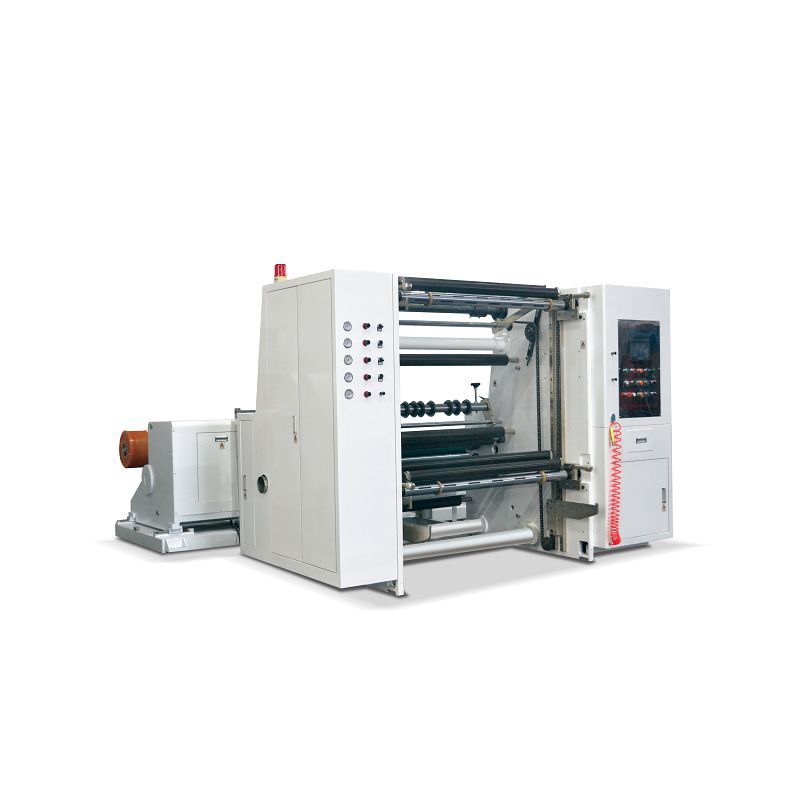

To maintain good air quality, it's essential to have an effective ventilation system in place. This system should be able to remove the dust and debris generated during the operation and replace it with fresh air. Additionally, installing air filters can help trap the fine particles in the air, preventing them from circulating back into the working area. Some advanced Surface Slitter Rewinders are equipped with built - in dust collection systems, which can further enhance the air quality around the machine.
Noise and Vibration
Surface Slitter Rewinders can be quite noisy during operation, especially when running at high speeds. Excessive noise can not only be a nuisance to the operators but also pose a health risk in the long term. Prolonged exposure to high - level noise can lead to hearing loss and other health problems. Therefore, it's important to limit the noise level in the operating environment.
One way to reduce noise is by installing noise - absorbing materials around the machine. These materials can help dampen the sound waves generated by the machine's moving parts. Additionally, regular maintenance of the machine, such as tightening loose bolts and lubricating moving parts, can also reduce the noise level.
Vibration is another aspect that needs to be controlled. Excessive vibration can cause misalignment of the machine's components, leading to inaccurate slitting and rewinding. It can also increase the wear and tear on the machine's parts, reducing its lifespan. To minimize vibration, the machine should be installed on a stable and level surface. Some machines are also equipped with vibration - dampening features, such as rubber mounts or shock absorbers, to further reduce the impact of vibration.
Lighting
Proper lighting is crucial for the safe and efficient operation of a Surface Slitter Rewinder. Operators need to be able to clearly see the materials being processed, the machine's controls, and any potential hazards. Insufficient lighting can lead to mistakes in the slitting and rewinding process, such as incorrect cutting widths or misaligned rewinding.
The operating area should be well - lit, with an average illumination level of at least 500 lux. This can be achieved through a combination of natural light (if possible) and artificial lighting. LED lights are a popular choice for industrial settings because they are energy - efficient, long - lasting, and provide a bright and uniform light source.
Floor and Space Requirements
The floor on which the Surface Slitter Rewinder is installed needs to be strong enough to support the weight of the machine and the materials being processed. It should also be level to ensure the proper alignment of the machine's components. A uneven floor can cause the machine to tilt, leading to inaccurate slitting and rewinding.
In terms of space, there should be enough room around the machine for operators to move freely and perform maintenance tasks. There should also be sufficient space for the storage of raw materials and finished products. A general rule of thumb is to leave at least 1 - 2 meters of clearance around the machine on all sides.
Compatibility with Processed Materials
The environmental requirements also need to be considered in relation to the materials being slit and rewound. For example, if you are using a Paper Cup Bottom Slitting Machine or a Paper Sticker Slitting Machine, the paper materials may have specific requirements regarding temperature and humidity to maintain their quality. Paper is a hygroscopic material, which means it can absorb and release moisture depending on the surrounding environment. Therefore, the environmental conditions need to be adjusted accordingly to ensure that the paper remains in good condition during the slitting and rewinding process.
Similarly, when using a Paper Slitting and Rewinding Machine for different types of paper or plastic films, the environmental factors need to be optimized to prevent issues like curling, wrinkling, or static build - up.
Conclusion
In conclusion, operating a Surface Slitter Rewinder requires careful attention to the environmental conditions. Maintaining the right temperature, humidity, air quality, noise and vibration levels, lighting, and floor and space requirements is essential for the machine's performance, lifespan, and the quality of the products being processed. By creating an optimal operating environment, you can ensure that your Surface Slitter Rewinder operates efficiently and effectively, reducing downtime and increasing productivity.
If you're in the market for a Surface Slitter Rewinder or have any questions about the environmental requirements for operating these machines, feel free to reach out. We're here to help you make the best decision for your business and ensure that your machine operates in the most suitable conditions.
References
- Industrial Machinery Handbook: Environmental Considerations for Manufacturing Equipment
- Papers and Plastics Processing Industry Standards: Best Practices for Slitting and Rewinding Operations


