

Slitting and rewinding operations are critical processes in various industries, including paper, plastics, textiles, and metal. As a leading supplier of Slitting and Rewinding equipment, I understand the importance of safety in these operations. Ensuring the well - being of operators not only protects human lives but also enhances productivity and reduces operational costs. In this blog, I will share some essential safety precautions for slitting and rewinding operations.
Pre - operation Safety Checks
Before starting any slitting and rewinding operation, a thorough pre - operation check is necessary. First, inspect the machine for any visible damage. This includes checking the blades, which are the most crucial part of the slitting process. Blades should be sharp and free from chips or cracks. A damaged blade can not only affect the quality of the cut but also pose a significant safety risk. If any blade damage is detected, it should be replaced immediately.
Next, examine the electrical systems of the Paper Slitting and Rewinding Machine. Look for frayed wires, loose connections, or any signs of electrical malfunction. Faulty electrical systems can lead to short - circuits, electrical shocks, or even fires. Make sure all electrical panels are properly closed and locked to prevent accidental contact.
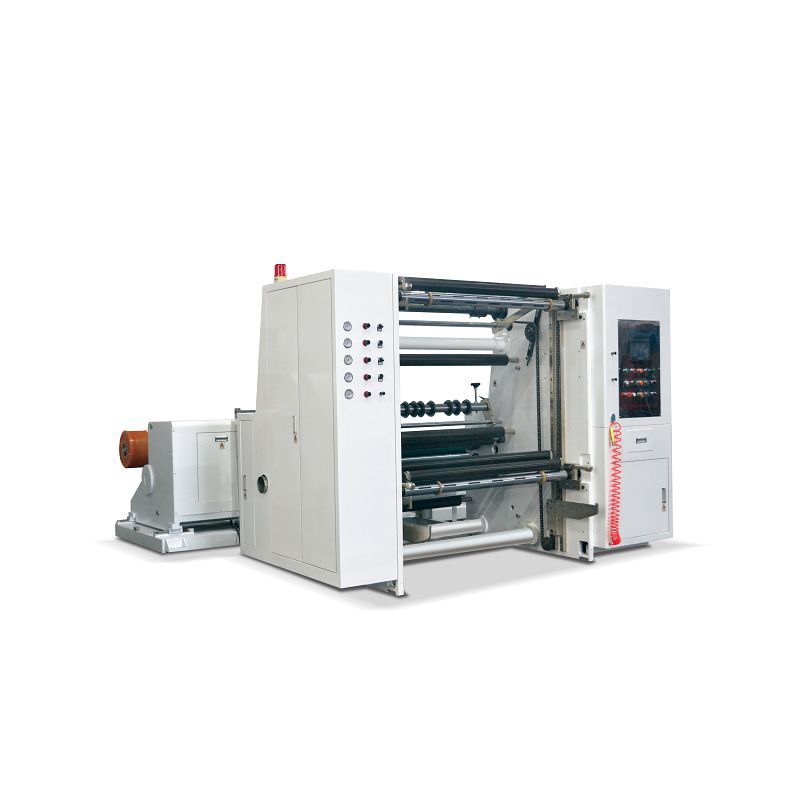

The mechanical components of the machine also need careful inspection. Check the bearings, belts, and pulleys for proper alignment and tension. Loose or misaligned components can cause the machine to vibrate excessively, leading to premature wear and tear and potentially dangerous situations. Lubricate all moving parts as recommended by the manufacturer to ensure smooth operation.
Operator Training
One of the most important safety measures is proper operator training. Operators should be thoroughly trained on the specific Paper Roll Slitter Rewinder they will be using. This includes understanding the machine's controls, safety features, and operating procedures. Training should cover topics such as how to load and unload materials safely, how to adjust the slitting width and tension, and how to troubleshoot common problems.
In addition to technical training, operators should also receive safety training. They need to be aware of the potential hazards associated with slitting and rewinding operations, such as blade cuts, entanglement in moving parts, and electrical hazards. Safety training should teach operators how to use personal protective equipment (PPE) correctly. PPE for slitting and rewinding operations typically includes safety glasses to protect the eyes from flying debris, gloves to prevent cuts from sharp blades, and ear protection to reduce noise exposure.
Machine Guarding
Machine guarding is an essential safety feature in slitting and rewinding operations. All moving parts of the machine, such as blades, rollers, and belts, should be properly guarded. Guards prevent operators from accidentally coming into contact with these dangerous parts. There are different types of guards, including fixed guards, which are permanently attached to the machine, and interlocked guards, which stop the machine when opened.
For blade guards, they should be designed to cover the entire cutting edge of the blade while still allowing for proper operation. The guards should be made of a strong and durable material that can withstand the forces exerted during the slitting process. Interlocked guards are particularly important for areas where operators may need to access the machine during operation, such as when clearing a jam. When the guard is opened, the machine should automatically shut down to prevent any potential injuries.
Material Handling
Proper material handling is another important aspect of safety in slitting and rewinding operations. When loading and unloading materials, operators should use appropriate lifting equipment, such as forklifts or hoists, to avoid manual lifting of heavy rolls. Manual lifting can lead to back injuries, strains, and sprains.
Materials should be stored in a stable and organized manner. Rolls should be stacked on pallets or racks to prevent them from rolling or toppling over. When moving materials around the workplace, make sure there is a clear path and that all workers are aware of the movement. Avoid overloading the machine with materials, as this can cause the machine to malfunction and increase the risk of accidents.
Emergency Preparedness
Despite all the safety precautions, emergencies can still occur. Therefore, it is crucial to have an emergency preparedness plan in place. The plan should include procedures for dealing with various emergencies, such as fires, electrical shocks, and blade injuries.
All operators should be familiar with the location of emergency stop buttons on the machine. These buttons should be clearly marked and easily accessible. In case of an emergency, operators should know how to quickly stop the machine to prevent further damage or injury.
The workplace should also be equipped with first - aid kits and fire extinguishers. Operators should be trained on how to use these emergency equipment. Regular drills should be conducted to ensure that all employees know what to do in case of an emergency.
Maintenance and Inspection Schedules
Regular maintenance and inspection are essential for the safe operation of slitting and rewinding machines. A preventive maintenance schedule should be established based on the manufacturer's recommendations. This schedule should include tasks such as blade sharpening, lubrication, and replacement of worn - out parts.
Inspections should be carried out at regular intervals. Daily inspections can be used to check for any immediate problems, while more in - depth inspections can be done on a weekly or monthly basis. During inspections, all safety features of the machine, such as guards and emergency stop buttons, should be tested to ensure they are in working order.
Workplace Safety Culture
Creating a positive workplace safety culture is vital for long - term safety in slitting and rewinding operations. Management should lead by example and prioritize safety in all aspects of the business. This includes providing adequate resources for safety training, equipment maintenance, and safety improvements.
Employees should be encouraged to report any safety concerns or near - misses. A near - miss reporting system can help identify potential hazards before they cause accidents. In addition, safety incentives can be introduced to motivate employees to follow safety procedures.
Conclusion
Safety in slitting and rewinding operations is of utmost importance. By following these safety precautions, including pre - operation checks, operator training, machine guarding, proper material handling, emergency preparedness, regular maintenance, and fostering a positive safety culture, we can significantly reduce the risk of accidents and ensure a safe working environment.
If you are in the market for high - quality slitting and rewinding equipment or need more information on safety in these operations, please feel free to contact us. We are committed to providing you with the best products and services to meet your needs.
References
- OSHA (Occupational Safety and Health Administration). General Industry Safety and Health Standards.
- Manufacturer's manuals for slitting and rewinding machines.
- Industry best practices for safety in slitting and rewinding operations.


