

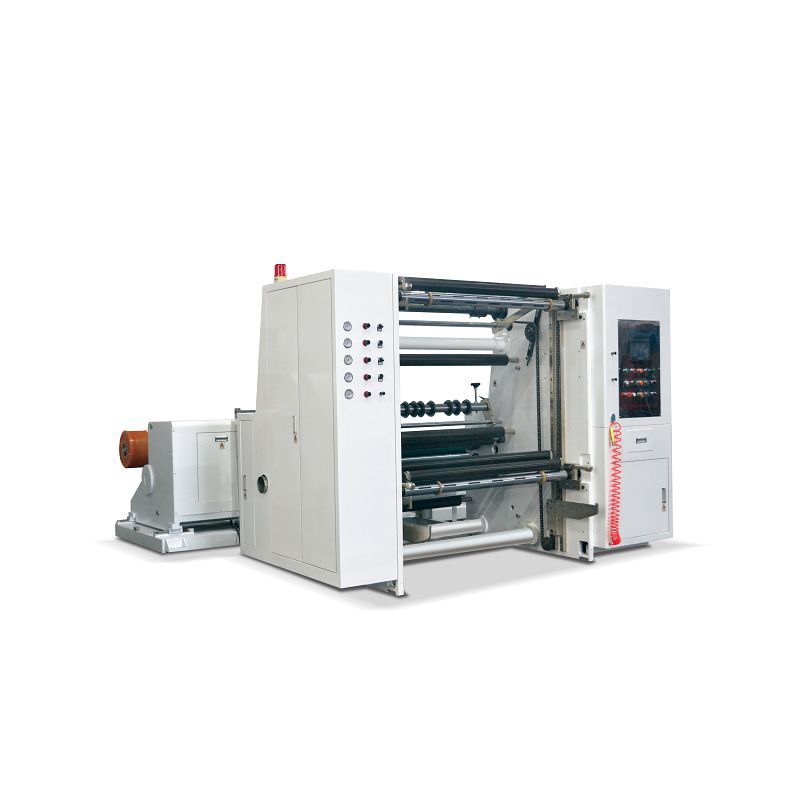
As a seasoned supplier of Slitting Cutter Machines, I've had numerous discussions with clients about the cutting tolerance of these remarkable pieces of equipment. Understanding cutting tolerance is crucial for anyone in the industry, whether you're a manufacturer looking to optimize your production process or a business owner aiming to enhance the quality of your end products. In this blog post, I'll delve into what cutting tolerance means in the context of a slitting cutter machine, its significance, and how it can impact your operations.
What is Cutting Tolerance?
Cutting tolerance refers to the acceptable deviation from the specified dimensions during the cutting process. In the case of a slitting cutter machine, it is the allowable difference between the desired width of the slit material and the actual width achieved after cutting. This tolerance is typically expressed in units such as millimeters or inches. For example, if you specify a slit width of 100 mm with a cutting tolerance of ±0.1 mm, the machine should produce strips with widths ranging from 99.9 mm to 100.1 mm.
Why is Cutting Tolerance Important?
The importance of cutting tolerance cannot be overstated. It directly affects the quality and usability of the slit products. Here are some key reasons why maintaining a tight cutting tolerance is essential:

Quality Assurance
In industries where precision is paramount, such as electronics, packaging, and automotive, a high cutting tolerance can lead to defective products. For instance, in the production of electronic components, a slight deviation in the width of a slit material can cause misalignment or poor performance. By ensuring a tight cutting tolerance, you can maintain the high quality of your products and reduce the likelihood of customer complaints and returns.
Material Utilization
A tight cutting tolerance also helps in optimizing material utilization. When the machine can cut the material with high precision, there is less waste generated. This not only reduces the cost of raw materials but also contributes to a more sustainable manufacturing process. For example, in the paper industry, a slitting cutter machine with a low cutting tolerance can produce more usable strips from a single roll of paper, maximizing the yield.
Compatibility with Downstream Processes
The slit products often need to be further processed or integrated into other components. A high cutting tolerance can make it difficult for these products to fit properly or function as intended in downstream processes. For example, if the slitted strips are used in a packaging machine, an inconsistent width can cause jams or misfeeds, leading to production delays and increased costs. By maintaining a tight cutting tolerance, you can ensure that the slit products are compatible with the downstream processes and facilitate a smooth production flow.
Factors Affecting Cutting Tolerance
Several factors can influence the cutting tolerance of a slitting cutter machine. Understanding these factors can help you take appropriate measures to minimize the deviation and achieve the desired precision.
Machine Design and Build Quality
The design and build quality of the slitting cutter machine play a crucial role in determining its cutting tolerance. A well-designed machine with high-quality components is more likely to provide accurate and consistent cuts. For example, a machine with a rigid frame and precise guide systems can minimize vibrations and ensure stable cutting. Additionally, the quality of the cutting blades and their alignment also affect the cutting tolerance. Blades that are sharp, properly installed, and maintained can cut the material more cleanly and precisely.
Material Properties
The properties of the material being slit can also have a significant impact on the cutting tolerance. Different materials have different characteristics, such as hardness, thickness, and elasticity, which can affect how they are cut. For example, a soft and flexible material may be more prone to stretching or deformation during the cutting process, resulting in a higher cutting tolerance. On the other hand, a hard and brittle material may require a different cutting technique to avoid chipping or cracking. It is important to select the appropriate cutting parameters and tools based on the material properties to achieve the best cutting results.
Operating Conditions
The operating conditions of the slitting cutter machine can also influence the cutting tolerance. Factors such as the cutting speed, feed rate, and tension control can all affect the precision of the cuts. For example, a high cutting speed may cause the material to heat up, leading to expansion and a higher cutting tolerance. Similarly, an improper feed rate or tension control can cause the material to move unevenly, resulting in inconsistent cuts. It is important to optimize the operating conditions based on the material and the desired cutting tolerance to ensure accurate and consistent results.
How to Achieve a Tight Cutting Tolerance
Achieving a tight cutting tolerance requires a combination of proper machine selection, maintenance, and operating practices. Here are some tips to help you achieve the desired precision:
Select the Right Machine
When choosing a slitting cutter machine, it is important to consider its cutting tolerance specifications. Look for a machine that is designed to provide high precision and has a reputation for reliability. Additionally, consider the type of material you will be slitting and choose a machine that is suitable for that material. For example, if you are slitting thin and delicate materials, you may need a machine with a more gentle cutting mechanism.
Maintain the Machine Regularly
Regular maintenance is essential for ensuring the optimal performance of the slitting cutter machine and maintaining a tight cutting tolerance. This includes cleaning the machine, lubricating the moving parts, and replacing worn-out components. It is also important to calibrate the machine periodically to ensure that it is cutting the material with the desired precision. By following a regular maintenance schedule, you can extend the lifespan of the machine and minimize the risk of breakdowns and cutting errors.
Optimize the Operating Parameters
The operating parameters of the slitting cutter machine, such as the cutting speed, feed rate, and tension control, can be adjusted to achieve the best cutting results. Experiment with different settings to find the optimal combination for your material and application. Additionally, make sure to monitor the cutting process closely and make any necessary adjustments to the parameters to maintain the desired cutting tolerance.
Train the Operators
Proper training of the operators is crucial for achieving a tight cutting tolerance. Operators should be familiar with the machine's operation, maintenance, and safety procedures. They should also be trained to recognize and troubleshoot any issues that may affect the cutting tolerance. By providing comprehensive training to the operators, you can ensure that the machine is used correctly and that the desired precision is achieved.
Our Slitting Cutter Machines and Cutting Tolerance
At our company, we are committed to providing high-quality slitting cutter machines that offer excellent cutting tolerance. Our machines are designed and manufactured using the latest technology and high-quality components to ensure accurate and consistent cuts. We offer a wide range of slitting cutter machines, including Surface Slitter Rewinder, Paper Slitting and Rewinding Machine, and Slitting and Winding Machine, to meet the diverse needs of our customers.
Our machines are capable of achieving a cutting tolerance as low as ±0.05 mm, depending on the material and application. We also offer customized solutions to meet the specific requirements of our customers. Our team of experienced engineers and technicians can work closely with you to understand your needs and provide the best slitting solution for your business.
Conclusion
In conclusion, the cutting tolerance of a slitting cutter machine is a critical factor that affects the quality, usability, and cost-effectiveness of the slit products. By understanding what cutting tolerance is, why it is important, and how to achieve it, you can optimize your production process and enhance the competitiveness of your business. At our company, we are dedicated to providing high-quality slitting cutter machines that offer excellent cutting tolerance and reliable performance. If you are interested in learning more about our products or have any questions about cutting tolerance, please do not hesitate to contact us. We look forward to discussing your needs and helping you find the best slitting solution for your business.
References
- Smith, J. (2018). Precision Cutting in Manufacturing: Principles and Applications. New York: Wiley.
- Jones, A. (2019). Slitting and Rewinding Technology: A Comprehensive Guide. London: Elsevier.
- Brown, R. (2020). The Importance of Cutting Tolerance in the Packaging Industry. Journal of Packaging Science and Technology, 35(2), 123-135.


