

Hey there! As a supplier of Slitting Line Machines, I often get asked about the maximum width of materials these machines can process. It's a crucial question, especially for businesses looking to optimize their production processes. In this blog, I'll break down the factors that determine the maximum width and give you a better understanding of what to expect.
First off, let's talk about what a Slitting Line Machine actually does. Simply put, it's a piece of equipment used to cut large rolls of material, like paper, metal, or plastic, into narrower strips. These strips can then be used for various applications, such as packaging, manufacturing, or printing. The ability to handle different widths of materials is one of the key features that make Slitting Line Machines so versatile.
So, what determines the maximum width of materials a Slitting Line Machine can process? Well, there are several factors at play. One of the most important is the design and construction of the machine itself. Different models are built to handle different widths, and this is usually specified by the manufacturer. For example, some machines are designed for small-scale operations and can only handle materials up to a few inches wide, while others are built for industrial use and can process materials several feet wide.
Another factor is the type of material being processed. Different materials have different properties, such as thickness, flexibility, and strength, which can affect the maximum width that can be processed. For instance, a machine that can handle a wide width of thin paper may not be able to handle the same width of thick metal. This is because the machine needs to be able to apply enough pressure and tension to cut through the material without causing it to tear or deform.

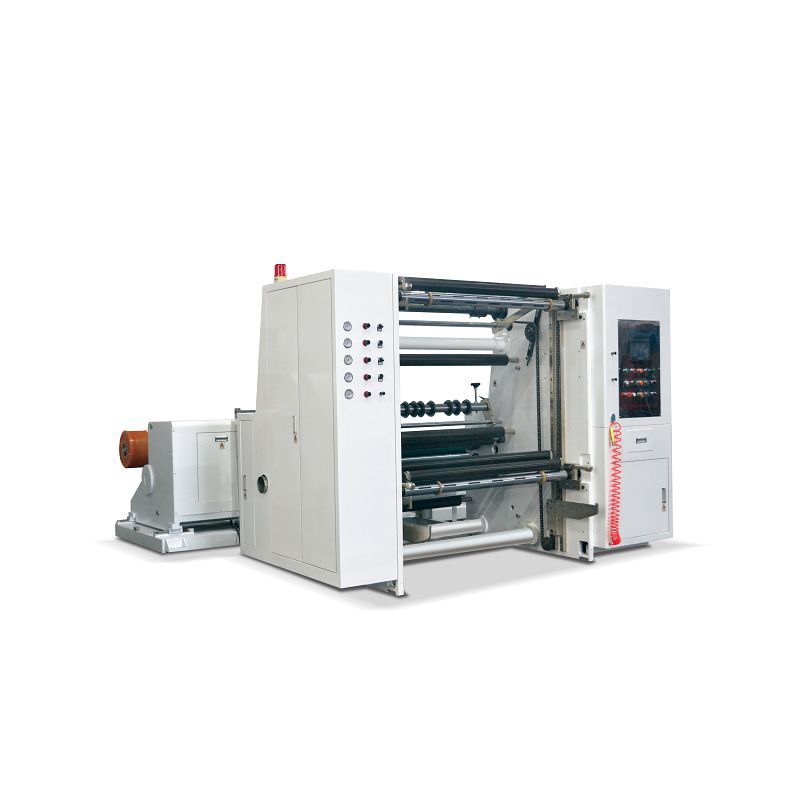
The cutting mechanism of the machine also plays a role in determining the maximum width. There are several types of cutting mechanisms available, including rotary knives, shear knives, and laser cutters. Each type has its own advantages and limitations, and the choice of cutting mechanism can affect the maximum width that can be processed. For example, rotary knives are often used for cutting thin materials, while shear knives are better suited for cutting thicker materials. Laser cutters, on the other hand, can provide a very precise cut but may be limited in terms of the maximum width they can handle.
In addition to the design, material type, and cutting mechanism, the speed at which the machine operates can also affect the maximum width of materials that can be processed. Faster speeds generally require more power and precision, which can limit the maximum width that can be handled. This is because the machine needs to be able to maintain a consistent cutting speed and pressure across the entire width of the material.
Now, let's take a look at some of the common maximum widths that Slitting Line Machines can handle. For small-scale operations, machines can typically handle materials up to 12 inches wide. These machines are often used for applications such as cutting labels, stickers, and small packaging materials. For medium-scale operations, machines can handle materials up to 36 inches wide. These machines are commonly used in the printing, packaging, and textile industries. For large-scale industrial operations, machines can handle materials up to 72 inches wide or more. These machines are used for processing large rolls of paper, metal, and plastic for a variety of applications.
It's important to note that these are just general guidelines, and the actual maximum width that a machine can handle may vary depending on the specific model and manufacturer. When choosing a Slitting Line Machine, it's essential to consider your specific needs and requirements, as well as the type of material you'll be processing. You should also consult with the manufacturer or a knowledgeable salesperson to ensure that you choose a machine that can handle the maximum width of materials you need.
If you're in the market for a Slitting Line Machine, you may also be interested in our other products, such as the Paper Rewinding Machine, Paper Straw Slitting Machine, and Paper Slitting and Rewinding Machine. These machines are designed to work in conjunction with our Slitting Line Machines to provide a complete solution for your paper processing needs.
In conclusion, the maximum width of materials that a Slitting Line Machine can process depends on several factors, including the design of the machine, the type of material being processed, the cutting mechanism, the speed of operation, and more. By understanding these factors and choosing the right machine for your needs, you can ensure that you get the most out of your investment and achieve the best results in your production processes.
If you have any questions or would like to learn more about our Slitting Line Machines or other products, please don't hesitate to contact us. We're here to help you find the right solution for your business and provide you with the support and service you need to succeed. Whether you're a small business owner or a large industrial manufacturer, we have the expertise and experience to meet your needs. So, let's start a conversation and see how we can work together to take your production to the next level.
References
- Industry standards and guidelines for Slitting Line Machines
- Manufacturer specifications and product literature
- Technical articles and research papers on material processing and cutting technology


