

What is the noise level of a cutting machine?
As a supplier of cutting machines, I often receive inquiries from customers about various aspects of our products, and one question that comes up quite frequently is about the noise level of cutting machines. Understanding the noise level is crucial for both the users' comfort and compliance with workplace safety regulations.
Cutting machines come in different types and sizes, each with its own unique noise characteristics. For instance, the Sheeter Cutter Machine is designed to cut large sheets of materials into smaller, more manageable sizes. The noise level of a sheeter cutter machine can vary depending on several factors.
The power source of the cutting machine plays a significant role in determining the noise level. Electric - powered sheeter cutter machines generally tend to be quieter compared to those powered by internal combustion engines. Electric motors operate more smoothly and have fewer moving parts that can generate excessive noise. On average, a well - maintained electric sheeter cutter machine may produce noise levels in the range of 70 - 80 decibels (dB). This is comparable to the noise level of a busy office environment. However, if the machine is old or not properly maintained, the noise level can increase significantly. Worn - out bearings, loose belts, or misaligned cutting blades can all contribute to higher noise emissions.
Another type of cutting machine in our product lineup is the Cut Size Machine. These machines are used to cut materials to specific sizes with high precision. The noise level of a cut size machine is also influenced by its design and the materials it is cutting.
When cutting soft materials such as paper or thin plastics, the noise level is relatively low. A cut size machine operating on paper may produce noise levels around 65 - 75 dB. This is because the cutting action is less strenuous on the machine, and there is less vibration and impact. However, when cutting harder materials like cardboard or thick plastics, the noise level can rise to 80 - 90 dB. The increased force required to cut through these materials causes more vibration and stress on the machine's components, resulting in louder noise.
The Kraft Paper Cutting Machine is specifically designed for cutting kraft paper, which is a strong and durable material. The noise level of a kraft paper cutting machine depends on the cutting speed and the thickness of the kraft paper.
At lower cutting speeds, the machine operates more quietly. A kraft paper cutting machine running at a slow speed while cutting thin kraft paper may have a noise level of around 70 dB. But as the cutting speed increases and the paper thickness goes up, the noise level can reach 85 - 95 dB. High - speed cutting generates more friction and impact, which in turn produces more noise.
It's important to note that prolonged exposure to high - noise levels can have negative effects on the operators' health. Noise levels above 85 dB can cause hearing loss over time, along with other issues such as stress, fatigue, and reduced concentration. That's why we, as a responsible cutting machine supplier, take measures to reduce the noise levels of our products.

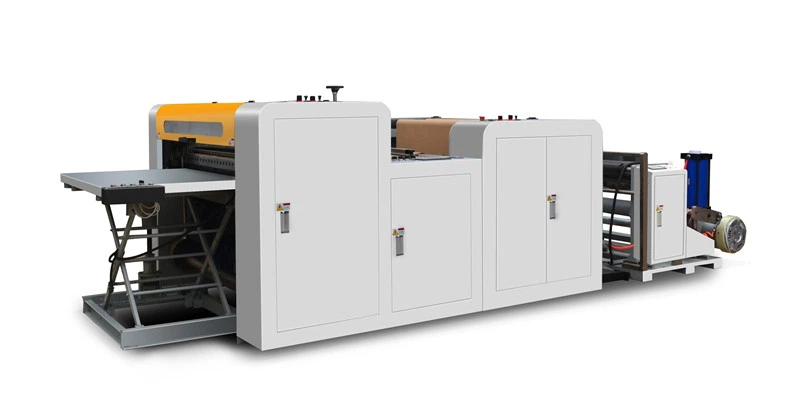
One of the ways we reduce noise is through proper machine design. We use high - quality materials and precision manufacturing techniques to ensure that the moving parts of the cutting machines fit together perfectly. This reduces vibration and noise caused by misalignment. Additionally, we incorporate noise - dampening materials in the machine's construction. For example, rubber gaskets and sound - absorbing panels can be used to reduce the transmission of noise from the machine to the surrounding environment.
Regular maintenance is also essential for keeping the noise levels of cutting machines in check. We provide detailed maintenance guides to our customers, which include instructions on lubricating moving parts, tightening loose components, and replacing worn - out parts. By following these maintenance procedures, customers can ensure that their cutting machines operate at optimal noise levels throughout their lifespan.
In some workplaces, there are strict regulations regarding noise levels. For example, in industrial settings, the Occupational Safety and Health Administration (OSHA) in the United States has set a permissible exposure limit (PEL) of 90 dB for an 8 - hour workday. Employers are required to take measures to protect their workers from excessive noise, such as providing hearing protection or implementing engineering controls to reduce noise at the source. Our cutting machines are designed to meet or exceed these regulatory requirements, so that our customers can operate them safely and legally in their workplaces.
When choosing a cutting machine, it's important for customers to consider the noise level along with other factors such as cutting capacity, precision, and cost. A quieter cutting machine not only provides a more comfortable working environment but also reduces the risk of hearing damage and other health problems for the operators.
If you are in the market for a cutting machine and have concerns about noise levels or any other aspect of our products, we encourage you to contact us for more information. Our team of experts is ready to assist you in selecting the right cutting machine for your specific needs. Whether you need a Sheeter Cutter Machine, a Cut Size Machine, or a Kraft Paper Cutting Machine, we can provide you with detailed product information and help you make an informed decision.
We understand that every customer's requirements are unique, and we are committed to providing customized solutions to meet those needs. So, don't hesitate to reach out to us if you have any questions or would like to discuss a potential purchase. We look forward to working with you to find the perfect cutting machine for your business.
References
- Occupational Safety and Health Administration (OSHA). "Noise Standards." Accessed [date].
- Engineering textbooks on machine design and noise reduction techniques.


